

Why is Sunday called “Day the Sun”?
Why is Sunday in English and Sonntag in German called “Day the Sun”?
–
Zoroastrianism, 1st millennium BC
Zoroastrianism is one of the oldest monotheistic religions in the world and was the official religion of the great Iranian empires from the 6th century BC (Achaemenid period, 1200 years before Islam).
Mehr (the ancient Iranian sun symbol مهر) or Mitra (in Roman) 1st to 4th century AD
Mehr or Mitra in different contexts, a deity of the ancient Indo-Iranian religion and later in Zoroastrianism, was a god of the sun, light, and contracts in ancient Persian and Vedic mythology.
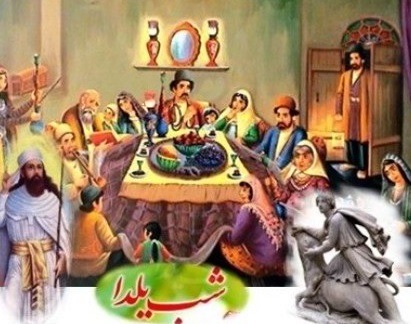
She is a central deity in ancient Iranian mythology and religion, closely associated with the sun, light, covenants, justice, and truth.
Many of Mehr traditions (such as the celebration of December 25 as the birthday of the unconquered sun) were later adopted into Christianity.
And Sunday was the day to celebrate the light that conquers darkness in Mehr-Cult.
Babylonian Legacy (Planetary Week)
Astronomers in Mesopotamia identified the seven days of the week with seven moving celestial bodies, with the Sun at the first position.
- Sun (Sol/Helios)
- Moon (Luna/Selene)
- Mercury
- Venus
- Mars
- Jupiter
- Saturn
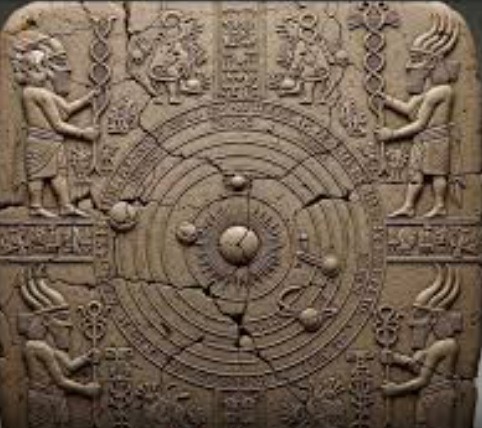
The Babylonians assigned each day of the week to one of these bodies.
- Sunday: Sun
- Monday: Moon
- Tuesday: Mars
- Wednesday: Mercury
- Thursday: Jupiter
- Friday: Venus
- Saturday: Saturn
Summary:
Name: Originates from the cult of Mehr
Inspired by a new festival celebrating the ritual of Mehr, the sun as the ultimate source of life and as a symbol of joy and positive energy, as well as ancient astronomy, Sunday was the holiest day of the week in the worship of Mehr (the ancient Persian sun).
These names (Sunday & Monday) have been retained in German and English, but in Spanish it is replaced by Lord (Domingo) and in French by Dimanche.


Leave a Reply