

Home
- Installing Proxmox VE on N150 NUC + HASSIO
- DIY Smart Speaker for Home Assistant
- Outdoor Lighting with Motion Detection & HA Integration
- Weather Station for Home Assistant in ESPHome
- Installing Home Assistant OS on a Soyo mini PC
- Upgrade to another smart garage door opener
- 3- Phase energy monitoring with ESPHome
- home assistant & eufy doorbell
- Troubleshooting and repairs
- Monitoring flow & return temperature’s heat pump
- ESP8266 – Best Pins to Use
- Home Assistant Configuration
- Home Assistant – Futjitsu Futro S920
- DC 12V 24V PIR Motion Sensor
- LED Light with Motion Sensor
- DFPlayer and Arduino
- Set up an IR Receiver on a Arduino
- DS18B20 & LCD 128×64
- Clock with LCD 1602 & DS1307
- DCF77 Signal with Arduino
Blog
- Web Development projects
- Validate an E-mail or website
- The world of artificial intelligence
- jPortal wordpress theme
- How find out …
- Home Assistant Dashboard basics & Code
- Home Assistant – Futjitsu Futro S920
- Home
- ESP8266 – Best Pins to Use
- Autofenster geht nicht mehr hoch
Archives
Hangul & Persian Chr.
Online Graphic Plotter
Online scientific calculator
Service
- Are there different types of black holes? New method puts Einstein to the test

Black holes are considered cosmic gluttons, from which not even light can escape. That is also why the images of black holes at the center of the galaxy M87 and our Milky Way, published a few years ago by the Event Horizon Telescope (EHT) collaboration, broke new ground.
- Suspected debris strike delays Chinese spaceship's return

A suspected strike by "tiny space debris" has delayed the return of the Chinese spaceship Shenzhou-20 and three astronauts, Beijing's space agency said on Wednesday.
- Trump again taps Musk ally Jared Isaacman to lead NASA

President Donald Trump on Tuesday nominated billionaire entrepreneur and private astronaut Jared Isaacman to head NASA, again tapping the close associate of Elon Musk to lead the US space agency.
- New Zealand plans space mission, satellite fleet: Minister

New Zealand is planning a national space mission which could see a small fleet of state-owned satellites launched into the skies over the Pacific nation, a minister told AFP on Wednesday.

- Vollmond am 5. November: besonders nah und hell
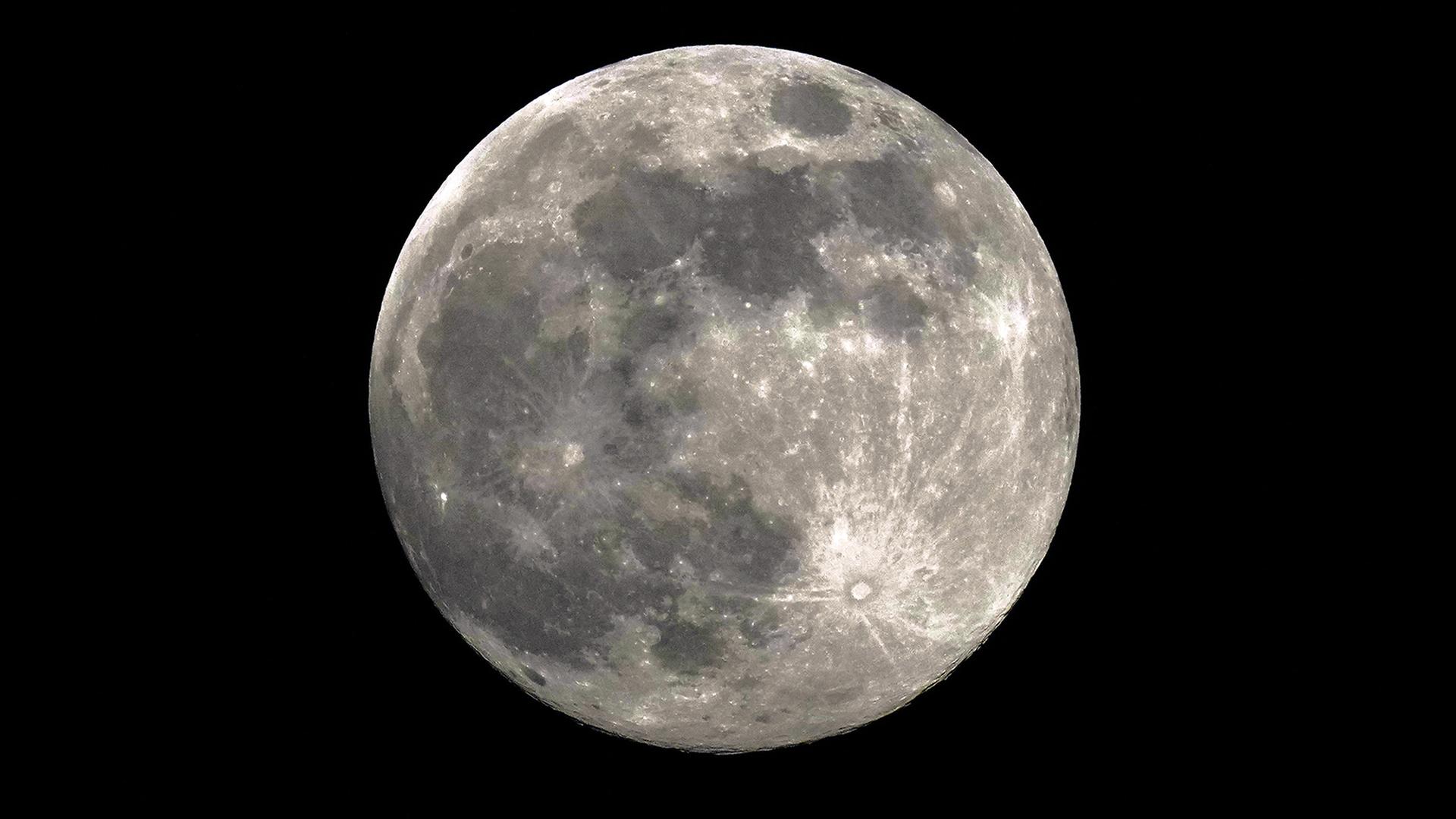
Der Vollmond am 5. November kommt der Erde besonders nahe. Und wird deshalb auch als Supermond bezeichnet. Die Mondscheibe ist dann sehr hell und auch sehr groß. Von Heike Westram.
- UN-Report: Welt steuert auf bis zu 2,8 Grad Erderwärmung zu
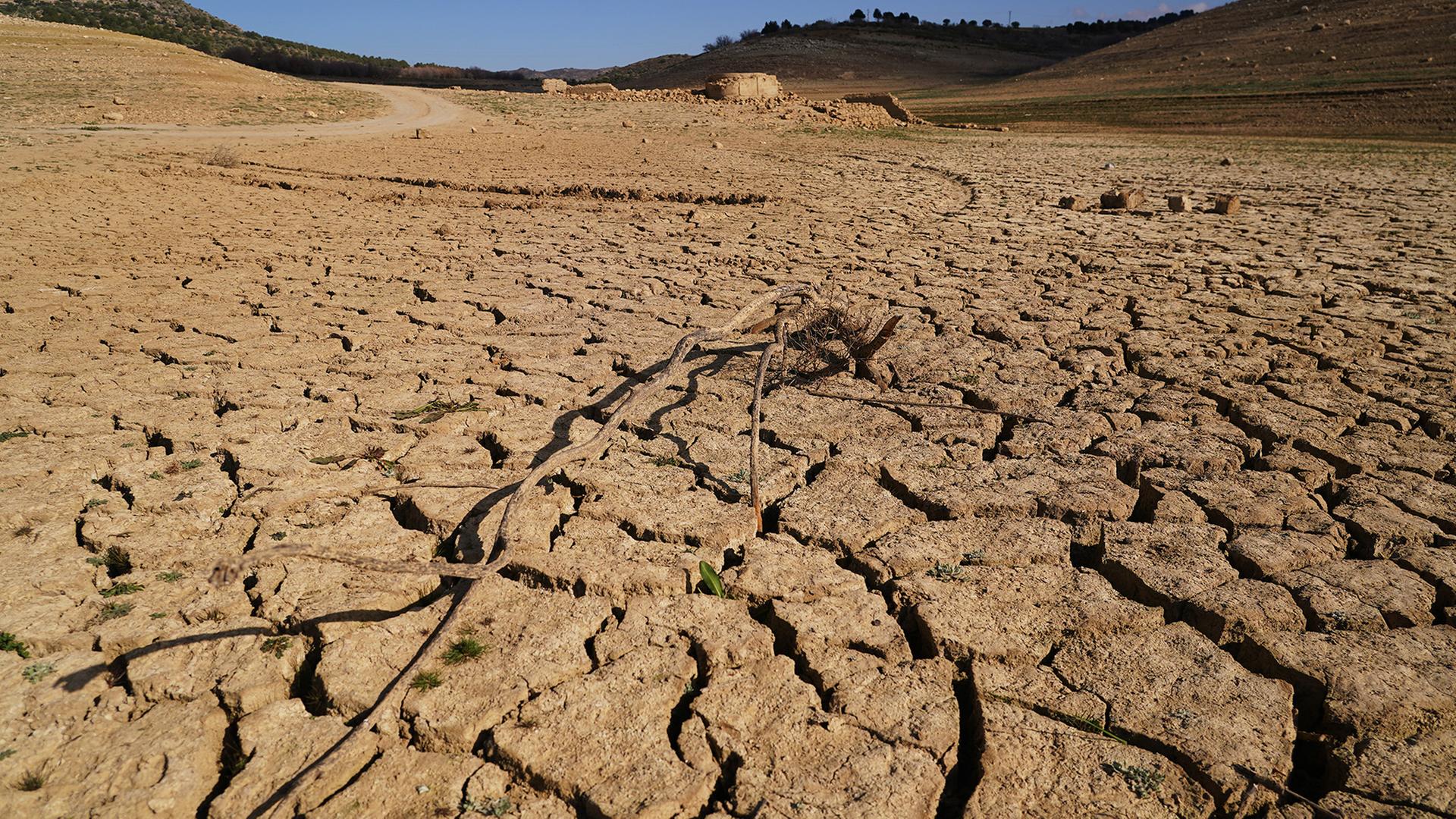
Kurz vor der 30. Weltklimakonferenz warnen die Vereinten Nationen vor einem dramatischen Anstieg der Erderwärmung. Ohne weitere Schutzmaßnahmen dürfte das 1,5-Grad-Ziel schon bald überschritten werden. Doch es gibt auch Hoffnungsschimmer.
